Best soil for construction provides adequate load-bearing capacity, good drainage, and minimal expansion or shrinkage. In Kenya, soil conditions vary widely from region to region, making soil selection and testing essential before building.
Good soil:
- Supports structural loads safely
- Prevents foundation settlement and cracks
- Reduces maintenance and repair costs
- Improves building lifespan
Best Soil for Construction in Kenya (Top Types)
Best soil for construction in Kenya includes soils that are firm, well-drained, and stable under changing weather conditions.
1. Loam Soil (Best Overall)
Best soil for construction for most buildings is loam soil.
- Balanced mix of sand, silt, and clay
- Excellent drainage
- Strong bearing capacity
- Minimal expansion and shrinkage
👉 Ideal for homes, shops, and apartments.
2. Gravel Soil
Best soil for construction for heavy foundations and slabs.
- Very high load-bearing capacity
- Excellent drainage
- Highly stable
👉 Commonly used as foundation base material.
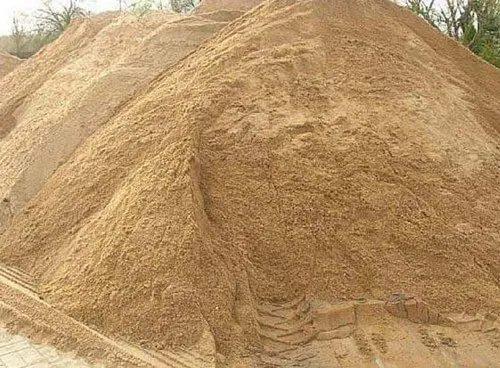
3. Sandy Soil
Best soil for construction when compacted properly.
- Good drainage
- Easy to work with
- Requires proper foundation design
👉 Suitable for reinforced foundations and slabs.
Worst Soil for Construction in Kenya (Avoid These)
Best soil for construction should not be confused with problematic soils that can cause structural failure.
❌ Black Cotton Soil
- Expands when wet, shrinks when dry
- Causes foundation cracks
- Common in Nairobi, Machakos, Kajiado
👉 Requires soil replacement or special foundations.
❌ Clay Soil
- Poor drainage
- High swelling potential
- Risk of long-term foundation damage
❌ Organic / Peaty Soil
- Weak and compressible
- Not suitable for any permanent structure
Best Soil for Construction and Soil Testing in Kenya
Best soil for construction should always be confirmed through a professional soil test before building.
A soil test helps determine:
- Soil bearing capacity
- Soil type and composition
- Suitable foundation design
- Need for soil improvement
Best Soil for Construction and Foundation Types
Best soil for construction determines which foundation type is most suitable.
- Strip foundations: Loam and compacted sand
- Raft foundations: Weak or mixed soils
- Pile foundations: Black cotton or very weak soil
Best Soil for Construction: Soil Improvement Methods
Best soil for construction can be achieved even in poor ground conditions using improvement techniques:
- Soil replacement
- Compaction
- Gravel filling
- Lime or cement stabilization
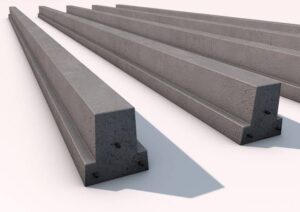
- Use of precast concrete foundations
Best Soil for Construction in Different Regions of Kenya
Best soil for construction varies by location:
- Central Kenya: Loam and red volcanic soil (excellent)
- Nairobi & Eastern: Mixed soils, black cotton common
- Coastal region: Sandy soil (needs reinforcement)
- Rift Valley: Volcanic soils with good bearing capacity
Best Soil for Construction: Key Takeaways
Best soil for construction is firm, well-drained, and stable under load. In Kenya, loam and gravel soils offer the best performance, while black cotton and clay soils require special treatment.
Choosing the right soil and foundation system saves money, improves safety, and ensures long-lasting structures.
Frequently Asked Questions – Best Soil for Construction
What is the best soil for construction in Kenya?
Loam soil is the best soil for construction due to its strength, drainage, and stability.
Is black cotton soil good for construction?
No, black cotton soil expands and shrinks, making it unsuitable without soil improvement or special foundations.
Do I need a soil test before building?
Yes, soil testing is highly recommended to determine bearing capacity and foundation type.
Can poor soil be improved for construction?
Yes, soil improvement methods like replacement, stabilization, and raft foundations can be used.